
Arduino
No reviews yet
|
In Stock
ESP32 Development Board (WiFi + Bluetooth) (30 PIN)
₦16,999.00
Inclusive of all taxes. Shipping calculated at checkout.
Free Delivery
Free delivery on orders over ₦45,000
Easy Returns
7-day return policy
Warranty
Official warranty included
Call us for Bulk Purchases
09071907251
Message Overite Store
They'll reply to you by email.
Seller
Overite Store
Official Store
Delivery
Lagos
1–3 days
Outside Lagos
2–5 days
Stock
Available (310 units)
Product details
he ESP32 Development Board is a powerful and versatile microcontroller board designed for IoT (Internet of Things) and embedded applications. Based on the ESP32 microcontroller by Espressif Systems, it features integrated Wi-Fi and Bluetooth capabilities, making it ideal for a wide range of wireless communication projects. The ESP32 Development Board is suitable for both beginners and experienced developers due to its rich feature set and extensive community support.
Features:
Microcontroller: ESP32
Wireless Connectivity: Integrated Wi-Fi (802.11 b/g/n) and Bluetooth (v4.2 BR/EDR and BLE)
CPU: Dual-core Tensilica LX6 processor
Operating Voltage: 3.3V
Flash Memory: 4 MB (varies by model)
SRAM: 520 KB
GPIO Pins: 30
Interfaces: UART, I2C, I2S, PWM, ADC, DAC
Power Management: Ultra-low power management modes
Integrated Sensors: Hall sensor, temperature sensor
Technical Specifications:
Microcontroller: ESP32-D0WDQ6 or ESP32-D0WD
Clock Speed: Up to 240 MHz
Flash Memory: 4 MB (varies by model)
SRAM: 520 KB
GPIO Pins: 30
Analog Inputs: 18 channels of 12-bit SAR ADCs
Digital-to-Analog Converter (DAC): 2 channels of 8-bit DACs
PWM Channels: 16
UART: 3
I2C: 2
I2S: 2
Dimensions: Typically around 50 mm x 25 mm (varies by model)
Applications:
IoT Projects: Ideal for home automation, smart sensors, and connected devices.
Wearables: Suitable for developing wearable devices with wireless connectivity.
Prototyping: Excellent for rapid prototyping of electronic projects.
Embedded Systems: Useful in creating embedded systems with advanced capabilities.
Robotics: Can be used in robotics for communication and control tasks.
Education: Great for teaching electronics and programming concepts.
Related Products
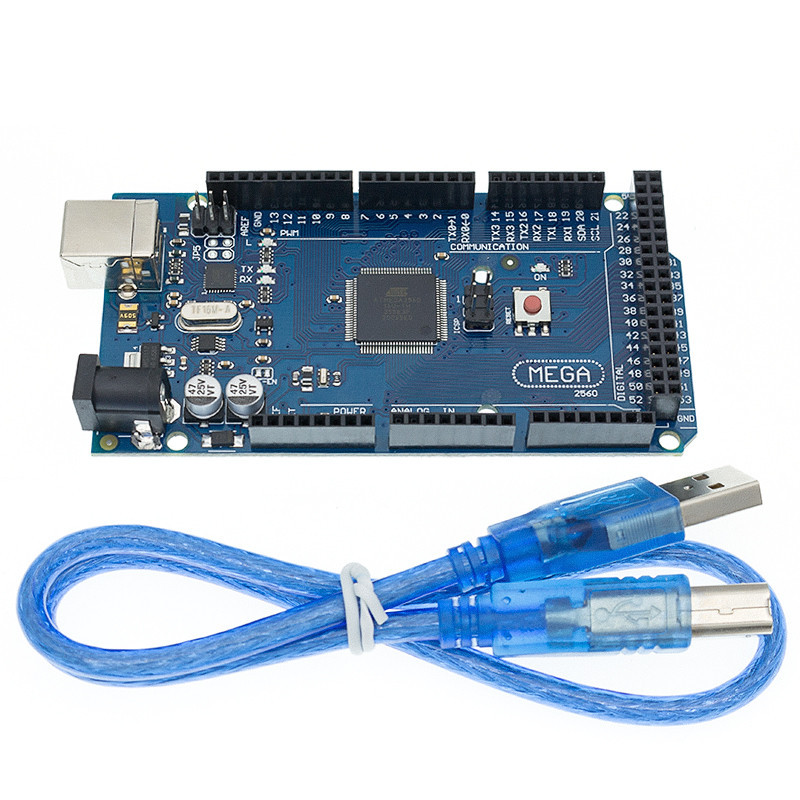
Arduino Mega 2560
₦35,000.00
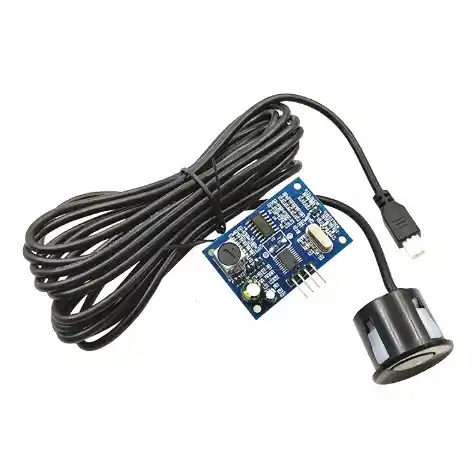

ESP32 30P Devkit V1 Power Board
₦7,450.00

Mini Submersible Water Pump
₦4,999.00

Arduino Uno R3
₦9,500.00

Arduino Nano + Cable
₦9,500.00

High-power speaker
₦59,199.20

Camera Lens Eye Mask Dust Cover
₦14,862.56


Laptop audio desktop mini speaker
₦7,727.09

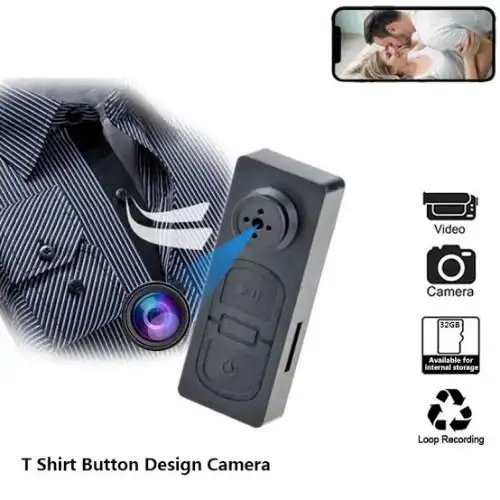
Wearable Mini Hidden Button Shirt Camera
₦29,500.00


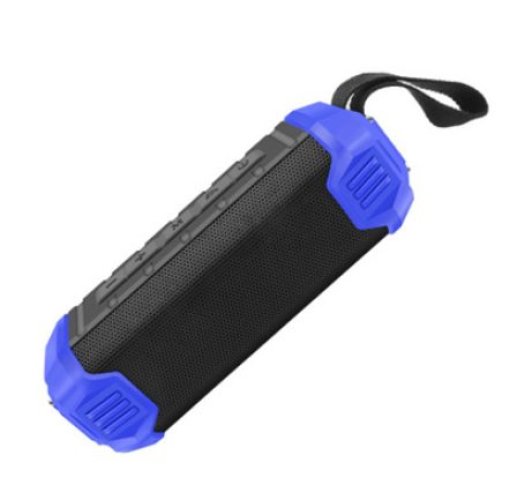
Portable Power Outdoor Waterproof Speaker
₦25,978.09


HD Digital Camera
₦60,167.33


Alarm clock bluetooth speaker
₦9,878.49